
A Day at Serendip Sanctuary:
An Excursion Built for VCE Environmental Science
Created by Graziella Carta, VCE Environmental Science Manager at EEV
Recently, I had the pleasure of joining a tour of Serendip Sanctuary in Lara, kindly hosted by Vanessa Wiggenraad from Parks Victoria. Along with staff from Parks Victoria and Environment Education Victoria, we spent the day exploring the Sanctuary's grasslands, wetlands and woodlands.
I came away keen to share this with other VCE Environmental Science Teachers, to encourage you to bring your students to Serendip.
I've put together a sample day, designed to give your class an enjoyable, practical and genuinely scientific excursion experience, one that generates real primary data, using effective monitoring techniques, that your students can use back in the classroom.
The day is built around three parts: a morning of habitat and biodiversity assessment, a midday session investigating the health of the lake, and an afternoon of sensory exploration and reflection in the new sensory garden.
Part One: Morning — Welcome, History and Habitat Assessment
The day begins in Serendip's newly built Education Centre (officially opening November 2026), where your class will meet their Parks Victoria ranger for a ranger-guided experience. Your ranger will open with an introduction to the history of Serendip — from its origins as a wildlife research station to its role today as a haven for threatened species.
From here, students move straight into a hands-on habitat assessment. Working in pairs or small groups, they'll compare two sites across the Sanctuary and collect primary data on factors such as:
Presence of indigenous plants
Weed cover (environmental and other weeds)
Large trees and fallen logs
Canopy cover and understorey density
Students combine these observations into a habitat condition score for each site, then compare and discuss which site is in better ecological condition and why. They evaluate the suitability of the sites for Eastern Barred Bandicoot release.
Curriculum links:
Unit 3, Area of Study 1 (Biodiversity and the environment), giving students first-hand experience of biodiversity assessment and the factors that influence habitat quality.
Key Science Skills that run across Units 3 and 4: planning and conducting an investigation, collecting and recording primary data, and drawing evidence-based conclusions from a comparative dataset.
Part Two: Midday — Water and Waterbugs
The class makes its way to Serendip's serene lake for two linked investigations:
Water quality testing — students measure parameters such as temperature, pH, turbidity and electrical conductivity, collecting primary data to assess the health of the lake.
Waterbug collection and identification — students collect, sort and identify aquatic macroinvertebrates, using them as bioindicators of water quality and lake health.
Curriculum links:
Unit 3: Area of Study 1, The bird count gives students a practical measure of species diversity and abundance to complement their habitat assessment data. The water quality testing and waterbug survey link strongly to
Key Science Skills: using instruments to collect quantitative and qualitative data, checking data reliability, and considering the limitations of a single day's sampling.
Lunch follows, giving students a relaxed break before the afternoon session.
Part Three: Afternoon — Sensory Garden and Nature Journaling
The day closes in Serendip's new sensory garden. As they move through its different sections, students engage with the environment through sight, smell, hearing, taste and touch. Along the way, they can listen to an audio piece by Jenna Oldaker, a Wadawurrung Traditional Owner, who shares her perspective on Country and interprets the artworks placed throughout the garden.
To finish, students take part in a nature journaling activity: choosing a quiet spot in the garden to sit, reflect, and either sketch a plant, flower, seed, tree, bird or landscape, or write a short reflection on their experience of the day.
Curriculum link:
Sociocultural and Traditional Owner perspectives woven through the VCE Environmental Science study design, particularly the study's emphasis on understanding environmental management through ethical, social and cultural as well as scientific frameworks.
Why Bring Your Class?
Across a single excursion, students collect and analyse real primary data on biodiversity, water quality and habitat condition, the same kind of fieldwork that underpins Unit 3 and Unit 4 investigations, while also engaging with Traditional Owner perspectives on Country. It's hands-on, it's practical, and it's a genuinely enjoyable day out.
I'd encourage every VCE Environmental Science teacher to consider Serendip Sanctuary when planning excursions this year. Please get in touch if you'd like help organising a visit for your class.
To book or discuss your school needs, please email SerendipEducationCentre@parks.vic.gov.au or contact the Education Officer on 8427 3486.
Website: https://www.parks.vic.gov.au/places-to-see/parks/serendip-sanctuary
With thanks again to Vanessa and the team at Parks Victoria for hosting our tour and helping shape this excursion.
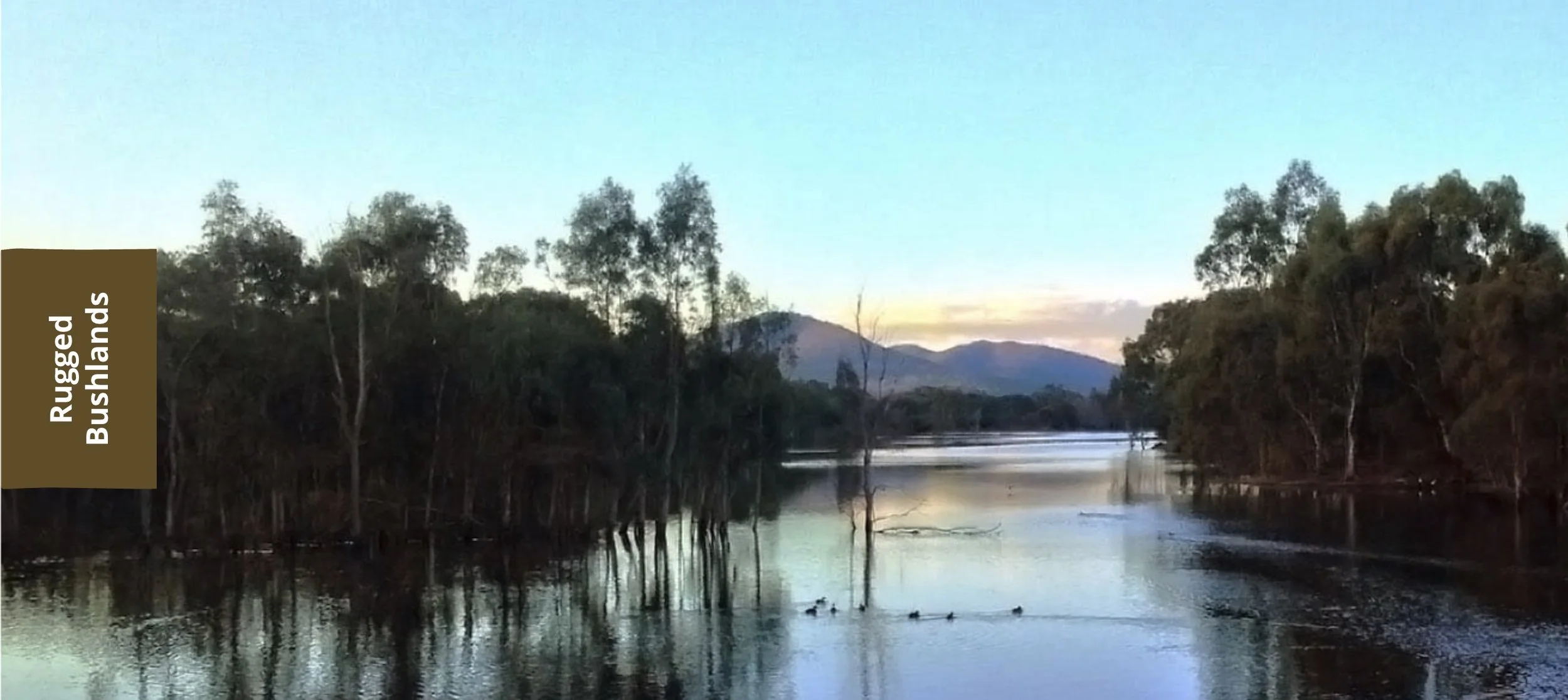
Image: Serendip Lake. Photography: Parks Victoria